
 Go Back


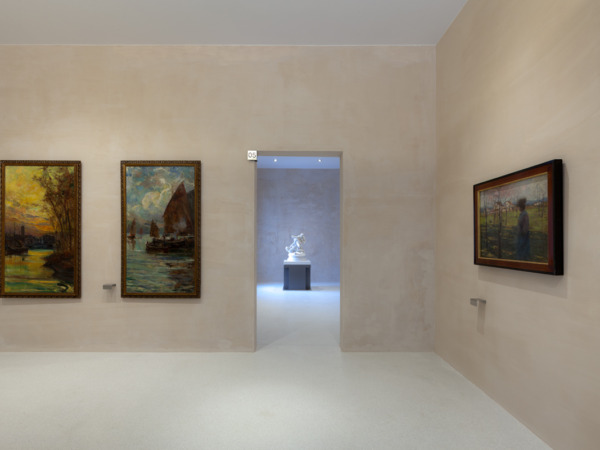


The Luigi Bailo Civic Museum has preserved a strong connection with its medieval and Renaissance heritage: underfoot, Isoplam Terrazzoverlay reinterprets a classic of Italian craftsmanship, Venetian terrazzo, as a high-performance, low-thickness surface.
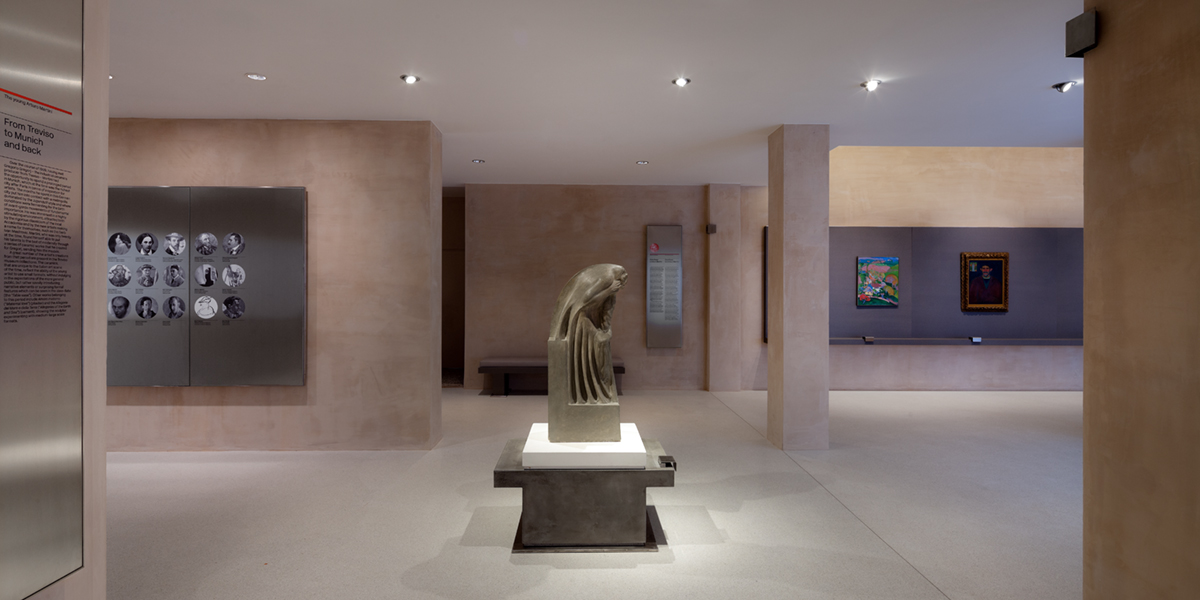
Bringing together an ancient medieval convent and important collections of late 19th- and 20th-century art, the Luigi Bailo Civic Museum is the oldest of Treviso’s municipal museum venues.
Founded thanks to Abbot Luigi Bailo’s passion for collecting, the museum was recently refurbished and reopened to the public following the renovation of the north cloister and its adjoining galleries, doubling the exhibition space to 3,030 square metres.
Commissioned to Studiomas Architetti (Padua), in collaboration with Austrian architect Heinz Tesar, the extensive architectural and structural renovation has returned another significant part of Treviso’s rich civic heritage to the city.
The dialogue between past and present, historical memory and contemporary design, is expressed both in the relationship between architecture and exhibition design – with the medieval setting providing a backdrop for approximately 340 works dating from the late 19th century to the first half of the 20th century – and in the project’s material and decorative choices.
Guiding visitors through an exhibition route designed to flow continuously without retracing their steps is Isoplam Terrazzoverlay, a seamless surface that offers a contemporary interpretation of a classic of Venetian craftsmanship: Venetian terrazzo.
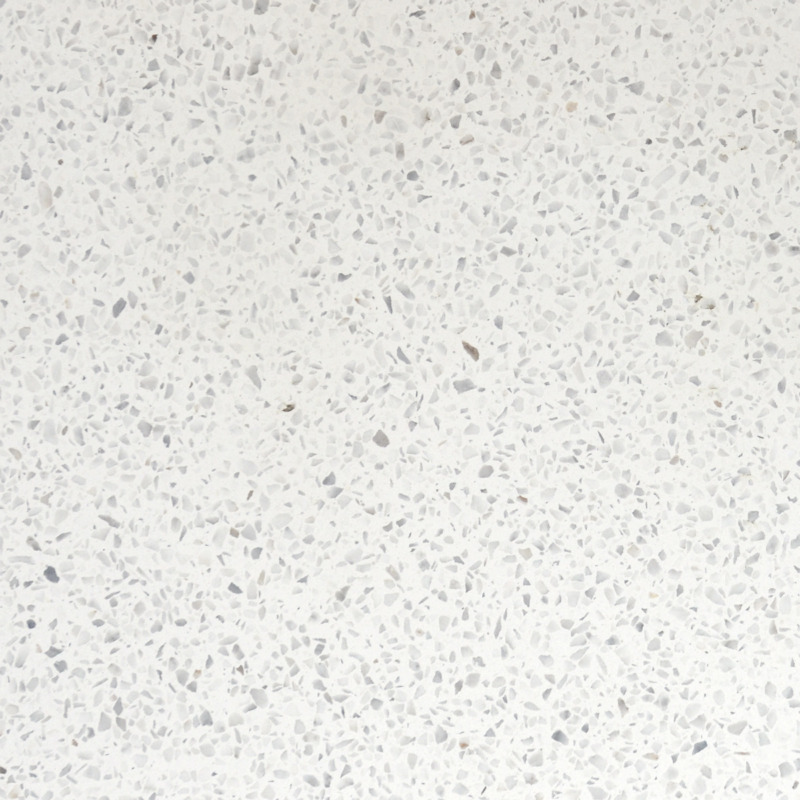
Transformed into an exceptionally durable and versatile flooring solution, at just 4–8 mm thick Terrazzoverlay combines the elegance of a timeless finish with outstanding performance, particularly in terms of sustainability. The surface is made exclusively from water-based products and natural aggregates.
For the Luigi Bailo Civic Museum, the blend of Italian marble and cementitious powder was specified in White and customised with premium mother-of-pearl inserts and other natural stones, creating a truly distinctive floor.
Specified in its polished indoor version, Terrazzoverlay proved to be the ideal solution not only for its distinctive aesthetic effects, which reference and evoke the character of the historic setting, but also for its resistance to heavy foot traffic – an essential requirement in high-traffic environments such as public buildings and sites of historical and cultural interest, including museums, exhibition spaces and communal areas.
The absence of grout lines or joints also creates a hygienic, easy-to-clean surface, while minimising maintenance requirements over time.
Surface area: approx. 1,800 sqm
Location and year: Borgo Camillo Benso Conte di Cavour, Treviso (TV), Italy, 2021
Colour: White
Finish: Matt, polished
Design: Studiomas + Heinz Tesar
Photography: Marco Zanta